No-Fee Wage Access: How On-Demand Pay Works Without Hidden Costs
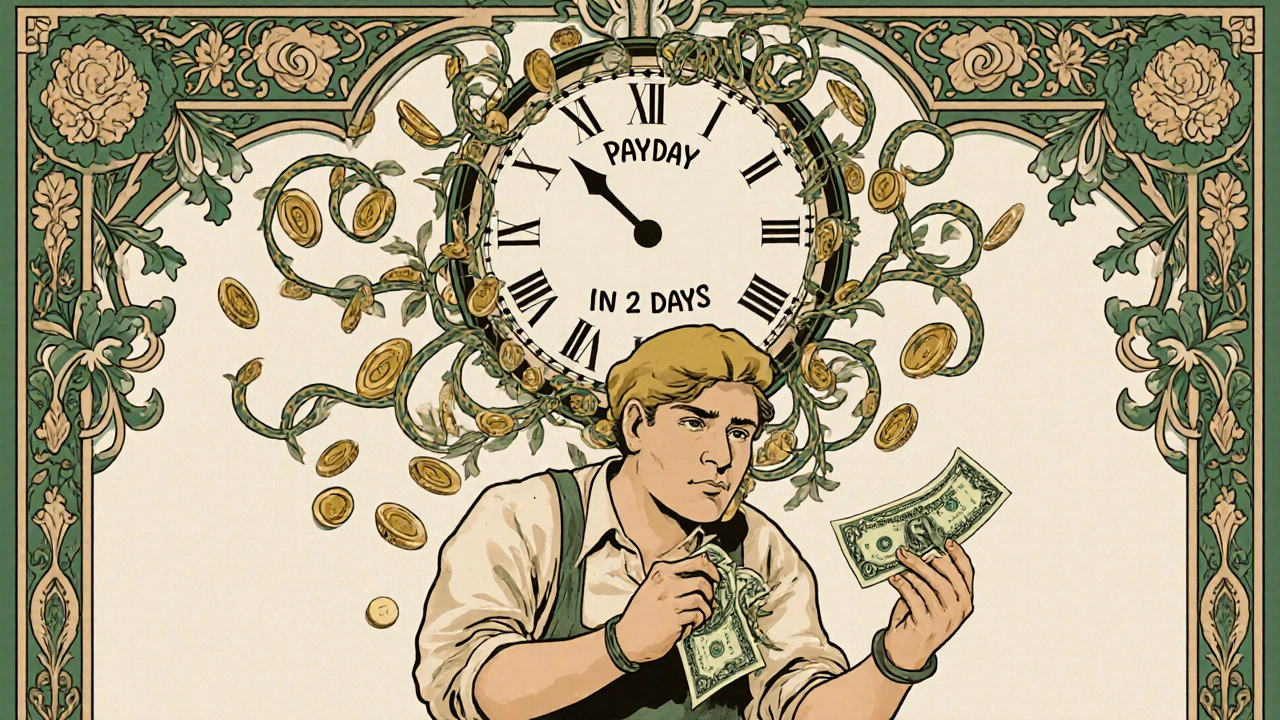
When you’ve worked 30 hours this week, you shouldn’t have to wait two more days to see that money in your account. no-fee wage access, a system that lets employees access earned wages before payday without interest or fees. Also known as earned wage access, it’s not a loan—it’s your own money, delivered when you need it. This isn’t just a perk anymore. It’s becoming a basic expectation, especially for hourly workers, gig earners, and anyone living paycheck to paycheck.
Companies like Walmart, Target, and even small local businesses now offer earned wage access, a digital tool that connects employers to payroll systems to release funds in real time. Unlike payday loans that charge $15 to borrow $100, true no-fee wage access costs nothing to use. The employer pays for the service—or it’s free because the platform is built into the time-tracking app. EWA laws, state-level rules that define how employers can offer on-demand pay without turning it into a predatory loan, are popping up across the U.S. to make sure workers aren’t tricked into paying for money they already earned.
Some states, like California and New York, require clear disclosures and ban fees entirely. Others, like Texas and Florida, are still catching up. That’s why understanding your rights matters. If your employer offers on-demand pay and asks you to pay a $1 fee per withdrawal, that’s not no-fee wage access—it’s a loophole. Real no-fee wage access means zero cost to you, no matter how often you use it. It’s not about getting ahead of your paycheck—it’s about getting your paycheck when you’ve already earned it.
Behind the scenes, this shift is powered by integrations with payroll systems, time clocks, and mobile apps. You punch in, work your shift, and within minutes, you can pull $50 or $100 into your bank account. No approval. No credit check. No waiting. And for employers? It cuts turnover, boosts morale, and reduces last-minute cash advances employees used to ask for. This isn’t fintech magic—it’s basic fairness with better tech.
What you’ll find in the posts below are real examples of how companies are setting this up, what the law actually says in your state, and how to spot the difference between a true no-fee wage access program and a sneaky fee trap. Whether you’re an employee trying to get paid fairly or an employer looking to offer this without breaking rules, the guides here cut through the noise and show you exactly what works—today, in 2025.