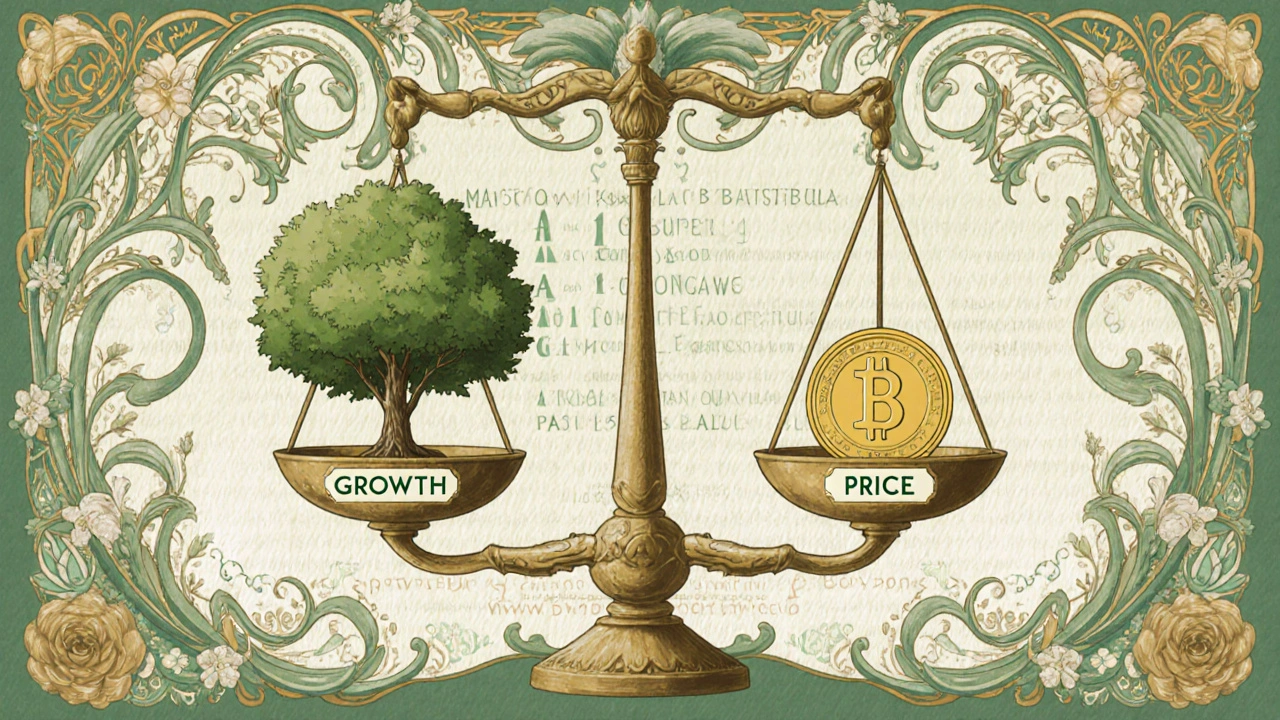
GARP Investing and Fintech Trends in November 2025: Key Strategies and Tools

When you're trying to build real wealth without gambling on hype, GARP investing, a strategy that blends growth and value investing by targeting companies with solid earnings growth at fair prices. Also known as growth at a reasonable price, it helps you avoid overpaying for stocks that look exciting but are actually risky. This approach shows up again and again in November 2025’s top posts—not just as theory, but as a practical filter for picking stocks that can survive market swings. You’ll see how the PEG ratio, a metric that adds earnings growth to the basic P/E ratio to spot true value. Also known as price/earnings to growth ratio, it becomes your secret weapon when comparing growth stocks, and how it ties directly to Peter Lynch’s idea of finding tenbaggers in your daily life.

But smart investing isn’t just about picking stocks. It’s also about protecting your money before you even start. That’s why emergency funds, a cash buffer designed to cover unexpected expenses without touching your investments. Also known as financial safety net, it shows up in multiple posts: for freelancers with variable income, for new investors afraid of panic-selling, and even for people using robo-advisors, automated platforms that manage portfolios with low fees and smart tax tools. Also known as automated investment services, they like Betterment and Wealthfront. These platforms don’t just pick funds—they help you save on taxes through tax-loss harvesting, the practice of selling losing investments to offset capital gains and reduce your tax bill. Also known as tax harvesting, it can put hundreds back in your pocket each year. But not all robo-advisors do it the same way. Some have thresholds too high to matter. Others don’t adjust for your state’s tax rules. Knowing which ones actually work saves you from paying more than you need to.

And behind all this is the invisible infrastructure making modern finance possible. fintech security, the systems and protocols that protect your money from hackers, fraud, and system failures. Also known as financial technology risk management, it isn’t just for big banks. It’s why your robo-advisor doesn’t get hacked, why your EWA app doesn’t leak your paycheck data, and why your REIT investments stay safe. November’s posts break down how behavioral biometrics, API security, and even biometric IDs for refugees are reshaping trust in digital finance. You’ll see how eventual consistency, a design pattern that allows financial ledgers to update transactions without locking up the whole system. Also known as delayed transaction consistency, it keeps platforms like Amazon QLDB running smoothly under millions of transactions.

What you’ll find below isn’t a random collection of articles. It’s a roadmap. For anyone who wants to invest smarter, not harder. Whether you’re trying to understand why your ETFs cost more in taxes than they should, or why your freelance income needs a different kind of safety net, or how a simple PEG ratio can keep you from buying overpriced tech stocks—every post here answers a real question real people asked. No fluff. No jargon. Just what works in 2025’s messy, fast-moving money world.


Robo-Advisor Hybrid Firms: Human Advice with Automation
29 Nov

Hybrid robo-advisors combine automated investing with human financial advice, offering a middle ground between cheap robots and expensive advisors. Learn how they work, who they're best for, and how to choose one.

When to Realize Gains: Rebalancing, Bracket Fills, and Zero Rate Tax Strategies
29 Nov

Learn how to time your investment gains to pay zero capital gains tax using rebalancing, bracket filling, and the 0% tax rate window. A practical guide for U.S. investors to maximize after-tax returns without risky market timing.

Multi-Factor Authentication Best Practices for Fintech Security
28 Nov

Multi-factor authentication (MFA) is essential for fintech security. Learn which methods actually work, which to avoid, how to roll it out without user backlash, and why passwordless is the future.

Growth at a Reasonable Price (GARP): The Balanced Strategy for Smarter Investing
21 Nov

GARP investing combines growth and value strategies to find companies with strong earnings growth at reasonable prices. Learn how to use PEG ratios, avoid overvalued stocks, and build a resilient portfolio for today's market.

Peter Lynch's Investing Approach: How to Find Hidden Stock Gems in Your Everyday Life
20 Nov

Peter Lynch's investing approach teaches you to find hidden stock gems by observing everyday consumer trends. Learn how to use your own life as a research tool to spot tenbaggers before Wall Street does.

APIs vs. SDKs in Fintech: What Developers Need to Know
13 Nov

APIs and SDKs serve different roles in fintech development. Learn when to use each for secure, scalable, and compliant financial apps-based on real-world performance, cost, and regulatory data.

Account Takeover Prevention: How Fintechs Stop Hackers Before They Strike
13 Nov

Account takeover attacks are exploding in fintech. Learn how real-time behavioral biometrics, FIDO2 authentication, and device fingerprinting stop hackers before they steal money-without frustrating real users.

Eventual Consistency in Ledgers: Design Patterns for Scalable Financial Systems
12 Nov

Eventual consistency in financial ledgers balances scalability and reliability by allowing temporary delays in transaction updates. Learn how modern systems like Amazon QLDB and R3 Corda use design patterns to keep money safe while handling millions of transactions.

P/E vs PEG Ratio: How to Value Growth Stocks Without Overpaying
11 Nov

Learn how to use the P/E and PEG ratios together to spot true growth stocks and avoid overpaying. The PEG ratio adds growth context to the basic P/E, helping you make smarter investment decisions.

Third-Party Risk: How Fintechs Do Vendor Security Assessments and Continuous Monitoring
10 Nov

Third-party risk is one of the biggest threats to fintech security. Learn how vendor security assessments and continuous monitoring work, what frameworks to use, and how to avoid costly breaches from external vendors.

Recurring Payments and Subscription Billing: Best Practices for 2025
10 Nov

Learn how to set up recurring payments and subscription billing the right way in 2025-with smart retry systems, SCA compliance, clear pricing, and tools that actually work. Avoid churn, boost revenue, and keep customers happy.

Emergency Funds for Freelancers: How to Plan for Variable Income
9 Nov

Freelancers need emergency funds designed for irregular income. Learn how to build a tiered savings system that protects you during dry spells, automates savings, and keeps you from cash flow crises.