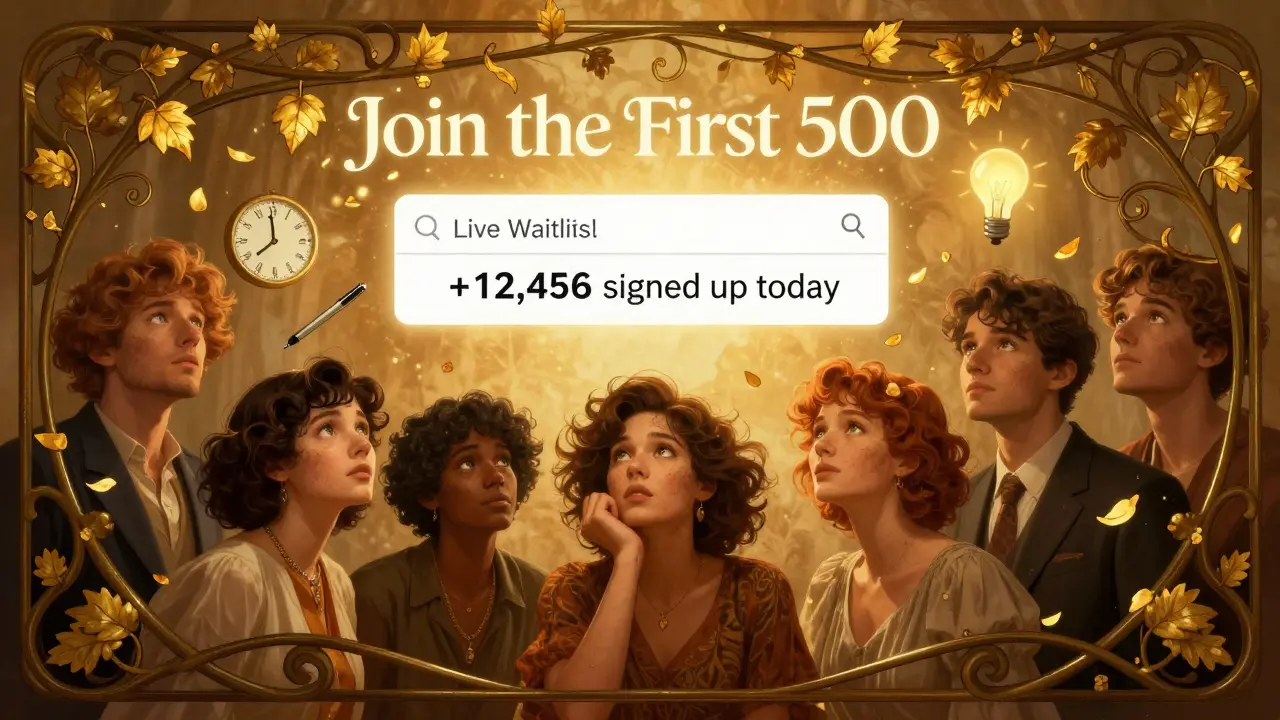
When you're about to launch a product, the biggest question isn't how to build it-it's who will actually buy it. Too many teams spend months coding away in silence, only to hit launch day and realize no one’s waiting. That’s where a waitlist launch changes everything. It’s not just a signup form. It’s your first real test of whether people care. And if done right, it turns strangers into loyal fans before you even ship a single feature.
Why Waitlists Work Better Than Traditional Launches
Traditional marketing waits until the product is done to start talking to people. That’s backward. A waitlist flips the script. You start building your audience before you finish building the product. This isn’t just about collecting emails-it’s about validating demand, shaping your product, and creating organic buzz. Think about it: if you launch without a waitlist, you’re guessing who your customers are. With a waitlist, you’re asking them directly. Notion didn’t just build a note-taking app. They built a community first. They asked their waitlist: What’s your biggest productivity pain? What would you pay for? That feedback shaped their pricing, their features, and even their onboarding flow. Result? 48% of their 2,300-person waitlist became paying customers in the first 72 hours. According to data from GetWaitlist (2025), companies using waitlists see 30% higher day-one sales than those who don’t. Why? Because waitlist signups aren’t random visitors-they’re people who already think your product solves a real problem. They’re 3-5 times more likely to open your emails, click your links, and tell their friends.The Psychology Behind the Hype
People don’t join waitlists because they’re bored. They join because of three powerful psychological triggers: scarcity, social proof, and anticipation.- Scarcity makes people act. Limited spots. Early access. Exclusive perks. If everyone can join, it feels ordinary. But if only the first 500 get a discount? That creates urgency.
- Social proof tells people they’re not alone. Seeing 12,456 people already signed up feels different than seeing “0.” Real-time counters work better than static numbers. People trust crowds.
- Anticipation (the Zeigarnik Effect) keeps your product top of mind. Our brains latch onto unfinished tasks. A waitlist is an unfinished promise. Every email update, every teaser, every countdown reminds them: Something big is coming.
How to Build a Waitlist That Converts
You can’t just slap a “Join Our Waitlist” button on your homepage and expect results. Here’s what actually works:- Lead with value, not features. Don’t say “Our app does X, Y, Z.” Say “Stop wasting 3 hours a day on [pain point]. Get back your time-first access for early signups.”
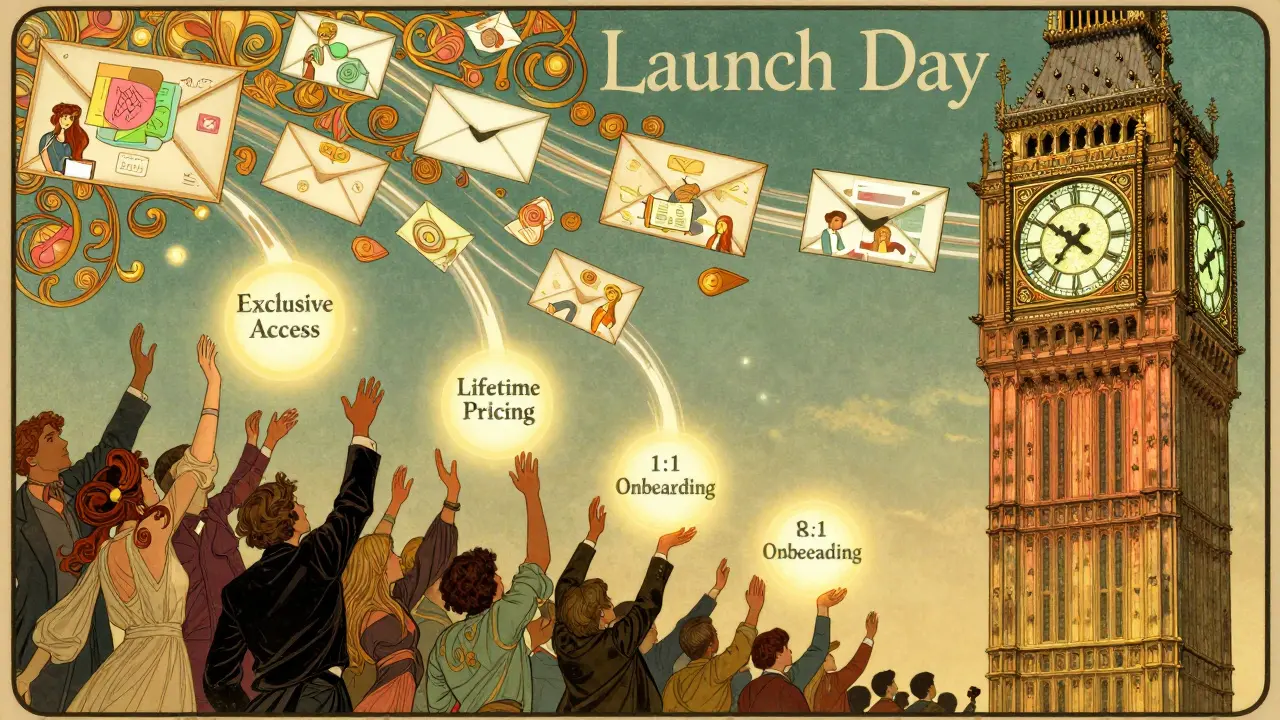
- Offer a real incentive. The first 100 get 50% off. The first 500 get a free 1:1 onboarding call. Don’t just say “early access.” Give them something tangible.
- Show real-time activity. Use a counter that updates live: “+1,200 people joined today.” People don’t trust empty lists. They trust momentum.
- Make signup frictionless. Only ask for email. No names. No phone numbers. No forms. One field. One click. If you make it harder than it needs to be, you’ll lose half your signups.
- Add a referral bonus. “Invite 3 friends and jump to the front of the line.” This isn’t just growth-it’s validation. If people are willing to refer others, they believe in your product.
Keep Them Hooked Before Launch
Signing up is step one. Staying excited is step two. Most companies drop the ball here. They send one email, then vanish. Here’s the rhythm that works:- Weeks 1-8: Send one email per week. Not sales pitches. Updates. Behind-the-scenes glimpses. “Here’s what we’re building this week.” “We heard your feedback-this feature is now live in testing.”
- Week 9: Start teasing launch day. “Only 7 days left.” “Your exclusive invite is coming.”
- Final 3 days: Daily emails. Countdowns. Last-chance perks. “The first 100 who join on launch day get lifetime pricing.”
Timing Matters More Than You Think
Waiting too long kills momentum. Research from Waitlister.me (2025) shows that for every month people wait, conversion drops by 30%. If you promise “coming soon” and then vanish for 6 months? You’ve lost trust. The sweet spot? 30-45 days from signup to launch. That’s long enough to build anticipation, but short enough to keep people engaged. If you need more time, be transparent. “We’re polishing the final details to make sure it’s flawless. Launching in 6 weeks.” One founder on Reddit (u/FounderFail, Nov 2024) delayed access by 90 days. Their waitlist dropped 68%. No one was mad about the delay-they were mad about being ignored.What Happens After Launch?
The launch isn’t the end. It’s the beginning. On day one, email your waitlist in waves. Don’t blast everyone at once. Send 30% first, then 30% the next day, then the rest. This prevents server crashes and keeps the buzz alive over multiple days. Follow up with those who didn’t convert. “We noticed you didn’t jump in yet. Was there something holding you back?” Their answers are gold. You’ll learn what objections to fix before your next launch. And collect testimonials. Early adopters are your best marketers. A quote like “This changed how I work” on your homepage is worth a thousand ads.
Who Shouldn’t Use a Waitlist?
Waitlists aren’t magic. They don’t work for every product.- Commoditized products (like generic software tools) don’t benefit from scarcity. If everyone offers the same thing, “exclusive access” feels meaningless.
- Products with instant demand (like emergency tools or time-sensitive services) don’t need hype-they need availability.
- Overused tactics can backfire. If you’ve been running “limited spots” campaigns for years, people tune out. Alex Hormozi warns of “hype fatigue”-when scarcity feels fake instead of exciting.
The Future of Waitlists
Waitlists are evolving. In 2025, the best aren’t just collecting emails-they’re building co-creation platforms. Companies are letting waitlist members:- Vote on which features to build next
- Test early builds
- Help name the product
- Decide pricing tiers
Final Thought: It’s Not About the List. It’s About the Relationship.
A waitlist isn’t a lead magnet. It’s a relationship starter. Every person who signs up is saying: I believe in what you’re building. Your job isn’t to sell them. It’s to honor that trust. Show them the process. Thank them for their input. Let them feel like they’re part of something real. When you do that, you don’t just get customers. You get advocates.How long should I wait before launching after collecting waitlist signups?
The ideal window is 30 to 45 days. Waiting longer than 60 days causes a 30% drop in conversion per month, according to Waitlister.me (2025). If you need more time, be upfront: "We’re refining the final details to make sure it’s flawless. Launching in 6 weeks." Transparency keeps trust.
What’s the best way to incentivize people to join my waitlist?
Offer something exclusive and tangible-not just "early access." Examples: "First 100 get 50% off," "Lifetime pricing for early signups," or "Free 1:1 onboarding session." The key is making the reward feel personal and valuable, not generic. Avoid vague promises like "Be the first to know." People want something concrete.
Can I use a waitlist for physical products?
Yes-and it’s especially powerful here. Products on Kickstarter with waitlist-style pre-orders have a 73% higher success rate, according to KickoffLabs (2025). Use waitlists to validate demand before manufacturing. Offer early-bird pricing, limited editions, or exclusive packaging to reward signups.
How do I know if my waitlist is working?
Track your conversion rate: how many signups become paying customers on launch day. Anything above 20% signals strong product-market fit. Top performers hit 40-50%. Also monitor referral rates-if more than 15% of your signups invite others, you’re building real momentum.
Should I use paid ads to grow my waitlist?
Absolutely-but only after you’ve optimized your landing page. If your conversion rate is below 20%, paid traffic will burn cash. First, fix your page: clear value proposition, real-time counter, single-field signup, and a strong incentive. Then, test small ad budgets (under $50/day) on platforms like Instagram or LinkedIn. Track cost per signup and adjust until you’re under $2 per lead.
What’s the biggest mistake people make with waitlists?
Ignoring the list after signups. Sending one email and disappearing is the fastest way to kill trust. Engagement is everything. Weekly updates, behind-the-scenes content, and direct feedback requests keep people invested. The waitlist isn’t a database-it’s a community. Treat it like one.
Geoffrey Trent
Look, I've seen this exact post 12 times this year. Everyone's chasing the 'waitlist magic' like it's some secret sauce. Newsflash: it's just email marketing with a fancy name. If your product's garbage, no amount of 'limited spots' or 'real-time counters' will save it. I've been on 8 waitlists in the last 6 months. Only one actually delivered. The rest? Ghosted. Stop pretending this is innovation. It's just laziness dressed up as strategy.